

When it comes to maintaining the beauty and usability of your exterior areas, spotless paver cleaning should always be a primary priority. Whether it’s your carport, patio, or recreational space, properly cared for pavers can significantly improve the curb appeal of your house while mitigating significant damage in the future. Still, many homeowners may not understand the various challenges involved in efficiently cleaning pavers. From stubborn oil stains to the hidden dangers of mold and algae, knowing the signs that your brick pavers need professional attention is key to preserving their integrity.
In this thorough guide, we will delve into important techniques, tools, and protective measures for maintaining your pavers in top shape. You will find out about the significance of appropriate cleaning methods, including the advantages of using eco-friendly products and the need of polymeric sand for paver joints. We will also explore the common mistakes homeowners make during cleaning and the real costs linked to DIY efforts versus employing a professional contractor. By arming travertine repair with knowledge and the right tools, you can ensure that your pavers not just look their finest but also endure over time.
Indicators You Need Expert Paver Maintenance
Over time, your brick pavers may accumulate dirt, grime, and unpleasant stains that may not be easily removable with regular cleaning methods. If you notice persistent discolorations or a lackluster appearance, it may be time to consider specialized deep cleaning. This is particularly relevant for stubborn stains like oil or grease that can penetrate the surface and require specialized cleaning solutions and techniques for getting rid of.
Another indicator that professional assistance is needed is the presence of mold or algae. These growths thrive in moist environments and can both make the pavers look unattractive but can also create hazardous surfaces that pose a risk. When one see green or black spots on the pavers, it’s essential to act quickly to prevent more development and potential damage to the pavers themselves.
Finally, if you find that weeds are consistently breaking through the joints of the pavers despite attempts to control them, this may suggest that the joint sand requires to be replaced or that the pavers require re-sanding following an extensive cleaning. Experts can evaluate the condition of your paver joints and provide the appropriate services to keep your outdoor space looking its best while ensuring the durability of the pavers.
Essential Paver Maintenance Tips
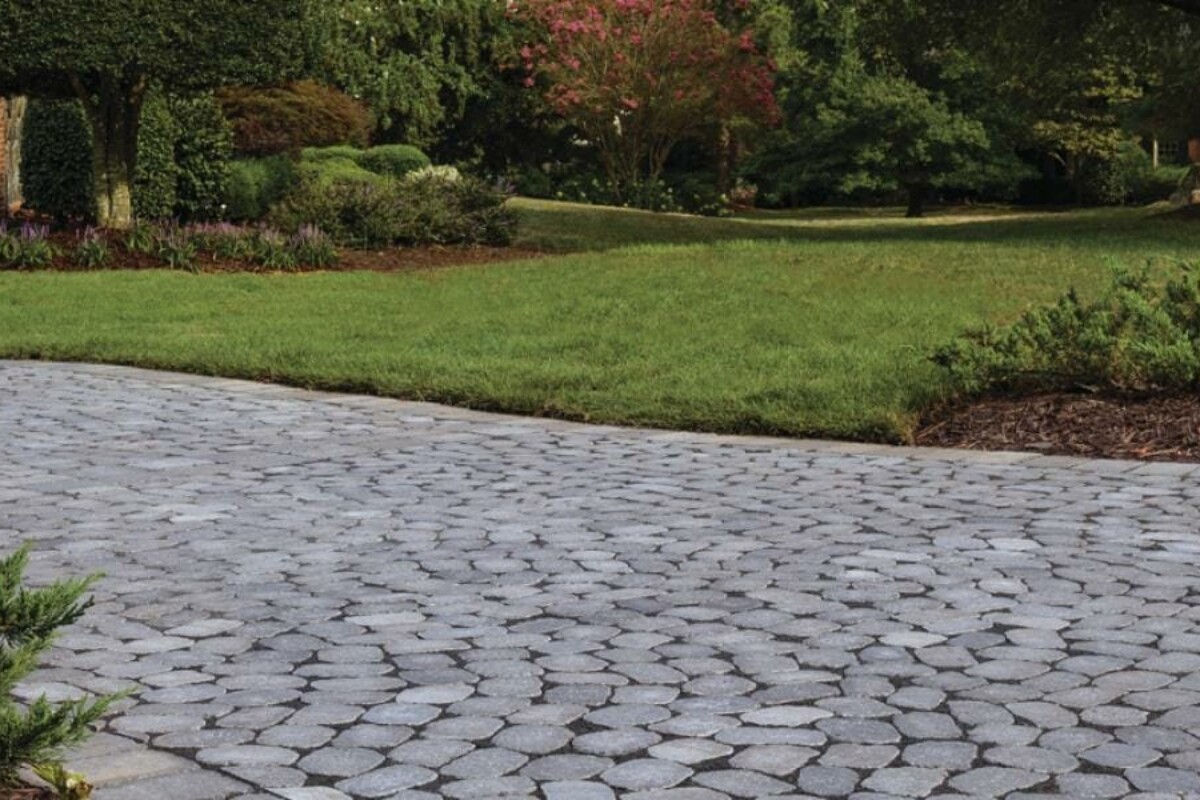
Consistent cleaning is important for maintaining the appearance and durability of your brick pavers. It's recommended to clean your pavers a minimum of annually, but based on your environment and usage, you may need to boost the frequency. Busy areas, such as driveways and outdoor spaces, are prone to collecting soil, filth, and stains, which can lead to discoloration and damage over time. Use eco-friendly detergents to avoid damaging surrounding plants and ensure a thorough cleaning process.
Applying a sealant to your pavers is a further critical aspect of maintenance. After the first cleaning, using a high-quality sealer can guard the surface from marks, fungus, and sunlight damage. It's crucial to understand how long pavers take to cure after cleaning and sealing, as putting the sealer on wet surfaces can lead to poor bonding and a more effective barrier. Typically, allow pavers to cure for at least one day before applying sealer, ensuring they are in optimal condition.
Plant growth can be a continuing problem between paver joints. To prevent weeds from growing back, consider utilizing polymeric sand when re-sanding your pavers after cleaning. This special type of sand sets when moist and helps to close gaps efficiently, reducing the chances of weeds growing. Regularly inspect your paver joints and fix any issues quickly to keep your outdoor spaces looking immaculate and cared for.
Do-It-Yourself vs. Expert Paver Cleaning
When thinking about the optimal approach to paver cleaning, property owners often face the dilemma of deciding between DIY methods and hiring expert services. Do-It-Yourself cleaning can conserve costs and provide a sense of accomplishment, especially for those with basic tools and a small amount of experience. However, it's important to acknowledge that inadequate techniques or inadequate equipment can lead to lasting damage, such as paver surface degradation or accidental wear from pressure washing. The upfront cost may be low, but the risk of needing repairs or expert assistance later can surpass preliminary savings.
On the other hand, expert paver cleaning solutions often bring expertise and targeted equipment to the table. Professionals are skilled to identify issues such as mineral deposits, stubborn stains, or mold problems that an average homeowner might overlook. They also have access to high-quality cleaning products and advanced techniques that can effectively restore paver appearance and extend longevity. When considering the future benefits, the investment in expert services can prove more cost-effective than a DIY approach that might result in expensive mistakes.
Ultimately, the choice between Do-It-Yourself and professional paver services should be guided by your confidence level with maintenance tasks, the size and condition of your paver surfaces, and the value you place on achieving optimal results. For extensive cleaning or significant restoration efforts, engaging a licensed and insured local paver specialist not only ensures quality but also saves time and effort, allowing you to enjoy your outdoor spaces without the stress.