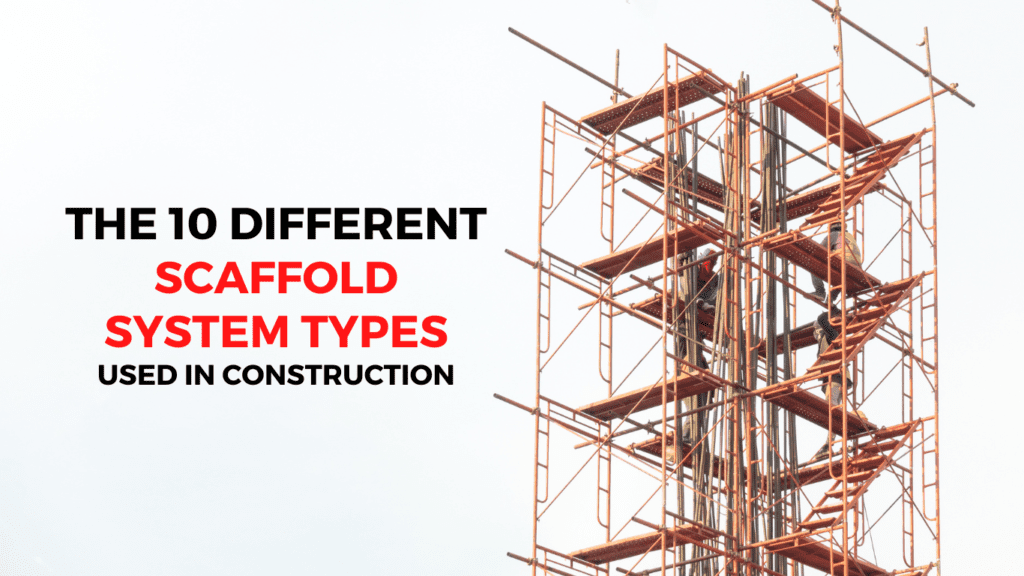
In construction, scaffolding serves as an essential foundation for achieving architectural visions. This often overlooked framework assumes an important role in securing that projects get get off the ground but also attain the envisioned vision securely and efficiently. As buildings progress to new heights, understanding the multiple complexities related to scaffold installation and management becomes necessary for experts in this sector. From Scaffolders Bath to the ultimate decommissioning, all phase presents distinct challenges that necessitate careful planning and execution.
Robust scaffolding goes past mere support; it embodies a comprehensive safety strategy that safeguards workers and ensures compliance with legal standards. The details of scaffolding demand a engagement with qualified contractors who can steer through the risks present and put into action best practices. Whether it’s determining the right scaffolding type for a given project, controlling load capacities, or guaranteeing proper footings on uneven terrain, the contractor's expertise is vital. In this article, we will investigate the varied role of scaffolding in the architectural field, showcasing its importance from danger reduction and legal compliance to creative design integration. Join us as we explore how scaffolding not only holds up structures but also elevates design concepts in the building world.
Prioritizing Safety: Understanding Scaffolding Risks
Scaffolding serves a critical role in building projects, providing transitory assistance for laborers and materials during projects. However, the use of scaffolds introduces multiple risks that must be acknowledged and managed effectively. Fall accidents are the leading cause of injuries and fatalities in the construction industry, making it essential to focus on safety protocols and preventative actions from the very beginning. Construction managers must be vigilant in identifying threats associated with scaffold use, ranging from instability in structure to faulty installation.
One significant risk is the inability to effectively bear the substantial loads placed on temporary scaffolds. Recognizing load capacity is vital for ensuring that scaffolds can accommodate both the weight of employees and the supplies they are utilizing. Each scaffold must be designed to bear specific loads, and failure to adhere to these specifications can lead to disastrous outcomes. Frequent assessments and reviews help maintain the safety of the scaffolding system, ensuring that it stays secure throughout the project lifecycle.
Another vital aspect of scaffolding safety is following existing laws and construction codes. Complying with these standards not only safeguards workers but also protects contractors from lawsuits. Proper scaffold assembly must be executed in accordance with OSHA guidelines and local regulations to reduce risks. Furthermore, instructing workers to identify hazards and apply safety measures is essential to fostering a culture that prioritizes safety on the job site.
Legal and Legal Aspects in Scaffolded Practices
Managing the intricate field of legal and legal regulations in scaffolding is crucial for contractors and project managers. Building codes & OSHA regulations set rigorous requirements ensuring the well-being of laborers at altitudes. Adhering to these rules is not just about steering clear of sanctions; it's about fostering a norm of safety on the job environment. A thorough understanding of local & federal legislation helps guarantee that scaffolding practices are not only compliant but also support the safety of all personnel involved.
Construction firms must be vigilant in developing protocols that guarantee regulatory scaffolding operations from the start. This entails acquiring the necessary permits and having a definite plan for meeting safety measures. Engagement with consultants skilled in construction law can provide critical guidance into the particular obligations that fluctuate by region. Maintaining compliance helps shield contractors from possible risks and creates a more secure atmosphere for laborers.
Another crucial factor is regular reviews and record-keeping of the scaffolding arrangements. This is necessary for confirming that protection procedures are being followed and can serve as a shield should an accident occur. Establishing a system for scaffold reviews ensures that any hazards are identified early, and compliance with standards is maintained throughout the job's lifecycle. By including these compliance-centric approaches, builders can efficiently manage concerns associated with scaffold and achieve the highest quality of security.
Choosing the Appropriate Scaffolding Option for Your Project
Selecting the right scaffold solution for your construction project entails assessing the specific needs of the job at hand. Start by analyzing the scale and type of the construction tasks to determine whether temporary solutions, like conventional scaffolding, or other options like high-rise platforms are more appropriate. Every option comes with distinct advantages, and knowing the layout of your site and the type of work being performed is crucial in arriving at the right choice.
A further critical aspect is evaluating the weight capacity and strength of the scaffolding. Different projects have varying weight needs based on the materials and labor involved. Working with an knowledgeable contractor can provide guidance into load-bearing scaffolding and how it must be engineered to handle the unique challenges of your project. Furthermore, considering local building codes and regulations will guarantee compliance and enhance safety, reducing potential setbacks and liabilities.
Finally, think about the future implications of your scaffolding decision. While some projects may focus on immediate costs, opting for a quality scaffolding solution that is safe and efficient can in the end conserve time and resources. A thoughtfully constructed scaffold system not only supports your creative vision but also aligns seamlessly with the project timeline, enabling smooth progress from inception to conclusion. Working with a skilled contractor is essential in addressing these considerations and obtaining a successful outcome.