

In the world where homes and businesses depend strongly on power systems, tradespeople play a essential role in guaranteeing safety and functionality. From putting in new outlets to troubleshooting flickering lights, their daily lives are packed with hurdles that require a deep understanding of electrical codes and safety standards. They must manage a labyrinth of rules to keep homes safe while also embracing modern technology, such as automated home wiring systems.
As we delve into the daily activities of these professionals, we will investigate essential tasks like grasping residential wiring regulations, setting up ground fault circuit interrupters, and choosing the correct gauge wire for different applications. This journey will unveil the importance of adhering to safety measures, particularly when working near bodies of water, and highlight the judgment process that leads to consulting a licensed professional versus trying DIY repairs. Join us as we uncover the intriguing skills and recommended methods that form the foundation of an electrician's everyday work.
Understanding Electrical Standards and Security
Electrical regulations are set to guarantee safe installations and protect individuals and property from electrical dangers. These codes deliver guidelines on wiring, grounding, and the use of electrical parts, confirming that electricians adhere to particular safety standards. Familiarity with the NEC, as well as local building codes is crucial for professionals in the field. Adhering to these rules not only secures the electrician but also provides for the well-being of the occupants in a home or business space.
In addition to comprehending codes, safety protocols are vital during any electrical tasks. Electricians must always don appropriate personal protective equipment, such as thermal gloves and safety glasses, to minimize the chance of injury. Awareness of disabling circuits before starting work and using tools rated for the specific voltage of the application can significantly reduce the chances of mishaps. Regular training and updates on safety protocols help electricians keep vigilant and prepared for the unexpected.
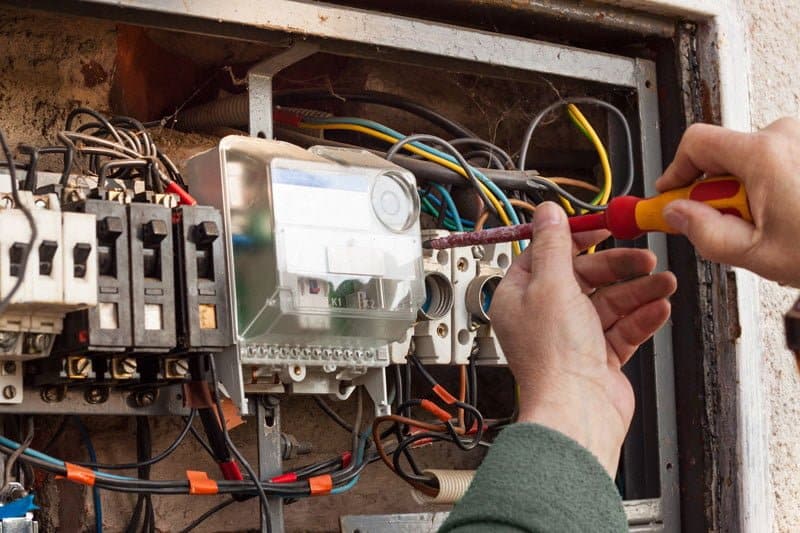
Moreover, proper installation practices require using suitable materials and methods that comply with relevant codes. This includes the right selection and installation of circuit breakers, protective devices, and electrical circuits. For example, employing Ground Fault Circuit Interrupters in wet areas makes sure that any earth fault that could cause shock is quickly interrupted, enhancing safety in washrooms and kitchens. Creating a culture of safety and compliance not only encourages a positive work environment but also develops trust with clients who depend on high-quality electrical work.
Frequent Electrical Problems and Diagnosis
Electrical technicians often encounter typical household electrical issues such as tripped circuit breakers and flashing lights. A failed breaker typically shows an overloaded circuit, faulty circuit, or ground fault. To troubleshoot, an electrician first checks the circuit load and evaluates the appliances connected. If required, they may reallocate the load or increase the circuit to handle more power. Flickering lights can be attributed to faulty bulbs, unreliable connections, or voltage fluctuations, and detailed inspection of lighting fixtures and wiring can frequently identify the underlying problem.
Another frequent issue involves occasional power, which can lead to frustration for homeowners. This issue may stem from loose wiring connections, defective outlets, or problems within the main service panel. Electrical technicians utilize organized troubleshooting techniques, which include checking all connections and wiring, to ensure that each component of the electrical system is functioning properly. Identifying the source of intermittent power issues is essential, as it can mitigate potential safety hazards.
Additionally, electrical technicians must address issues related to Ground Fault Circuit Interrupters (GFCIs), especially in areas prone to moisture like kitchens and bathrooms. If GFCIs keep tripping, it may suggest an fundamental problem such as excessive circuits or ground faults. Electricians will inspect the GFCIs, check the circuit for any moisture damage, and ensure that proper GFCI protection is in place according to safety codes. By addressing https://bm-electrical.uk/ , technicians help ensure a safe and effective electrical system in residences.
Smart Electrical Wiring Techniques and Technology Integration
In the current rapidly evolving digital landscape, intelligent wiring practices have become necessary for modern homes and businesses. Electricians need to be knowledgeable in the latest technology that integrates with intelligent devices, making sure that wiring infrastructure not just supports conventional electrical loads but also supports the growing demand for connectivity and automation. This involves planning and setting up wiring systems that can support high-speed internet, smart lighting, safety systems, and home automation networks, while also allowing for future upgrades.
When it comes to selecting the right gauge wire, electricians should take into account the needs of intelligent devices and their potential impact on existing circuits. Grasping how different devices draw power and communicate is essential for creating circuits that can efficiently manage not just the load, but also the data signals needed for intelligent technology. Additionally, electricians must keep up-to-date about changes in wiring codes and standards that reflect these technological advancements, ensuring all installations comply with safety regulations and performance standards.
Collaboration with property owners or companies to assess their needs and preferences is critical in achieving a effective intelligent wiring installation. Electricians can offer guidance on the best practices for installation, such as proper placement of access points and outlets for smart devices, as well as integrating energy-efficient solutions. By concentrating on intelligent wiring practices, electricians not just enhance the functionality and convenience of electric systems but also lay the foundation for subsequent expansions and innovations in home and commercial technology.